

A Journey Through the Serengeti National Park
The Serengeti National Park, a name that evokes endless plains teeming with wildlife, roars of mighty lions, and the drama of the Great Migration, isn’t just a park; it’s an untamed Eden. Sprawling across 14,763 square kilometers in northern Tanzania, it’s a UNESCO World Heritage Site and a microcosm of Africa’s untamed spirit.
A Land Steeped in History
The Serengeti’s story stretches back millions of years, etched in the ancient rocks and preserved in the fossil footprints of long-gone giants. The Maasai people, with their deep respect for nature, have co-existed with this land for centuries, naming it “Siringet,” meaning “endless plains.” In 1951, recognizing its ecological significance, the Tanzanian government designated it a national park, forever protecting its wonders.
A Tapestry of Ecosystems
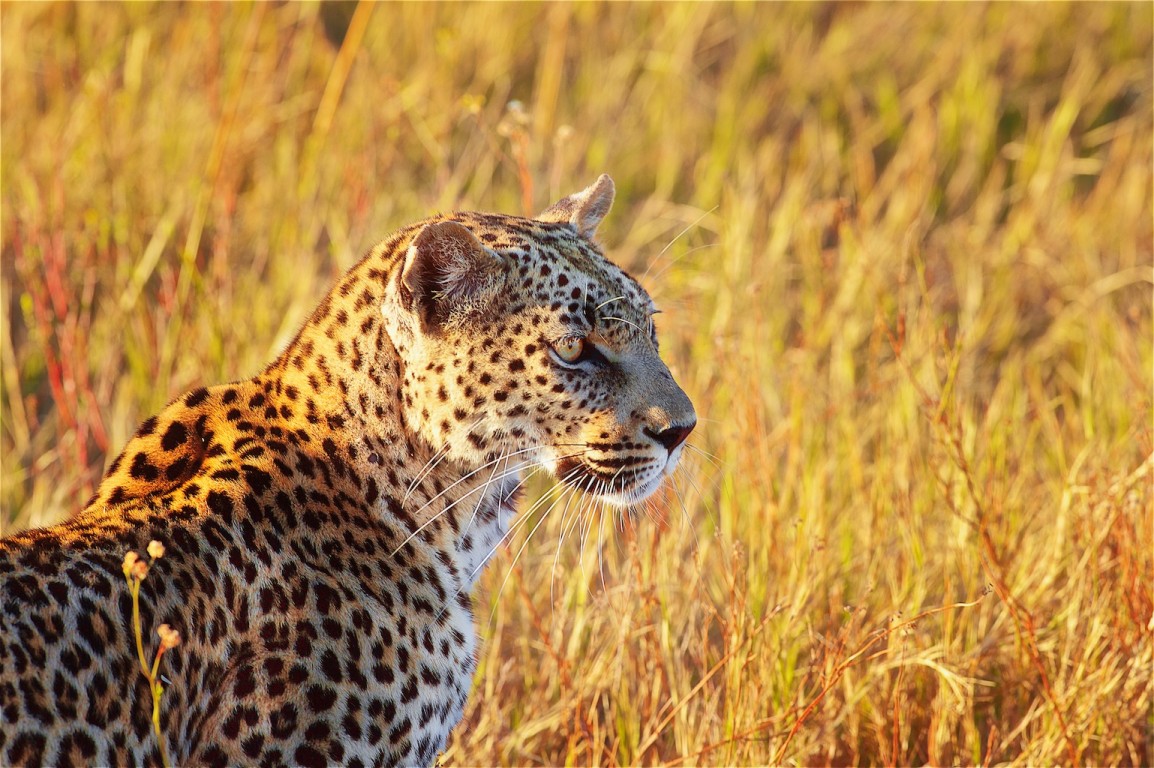
Step into the Serengeti, and you’ll be met by a breathtaking mosaic of landscapes. Golden savannas, dotted with acacia trees like scattered jewels, dominate the scene. Woodlands fringe the plains, offering refuge to elephants and elusive leopards. The crocodile-infested waters of the Mara River carve a life-giving path, while granite kopjes rise majestically, silent sentinels of the ages.
The Serengeti awaits, beckoning you to explore its vastness, marvel at its beauty, and be humbled by its power. It’s not just a national park; it’s a journey that stays with you long after you leave, a reminder of the wild heart of Africa beating strong.
A Majestic Wildlife Habitat
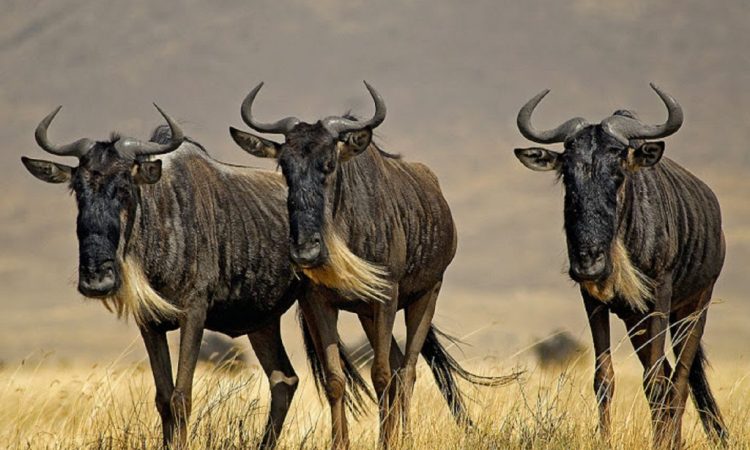
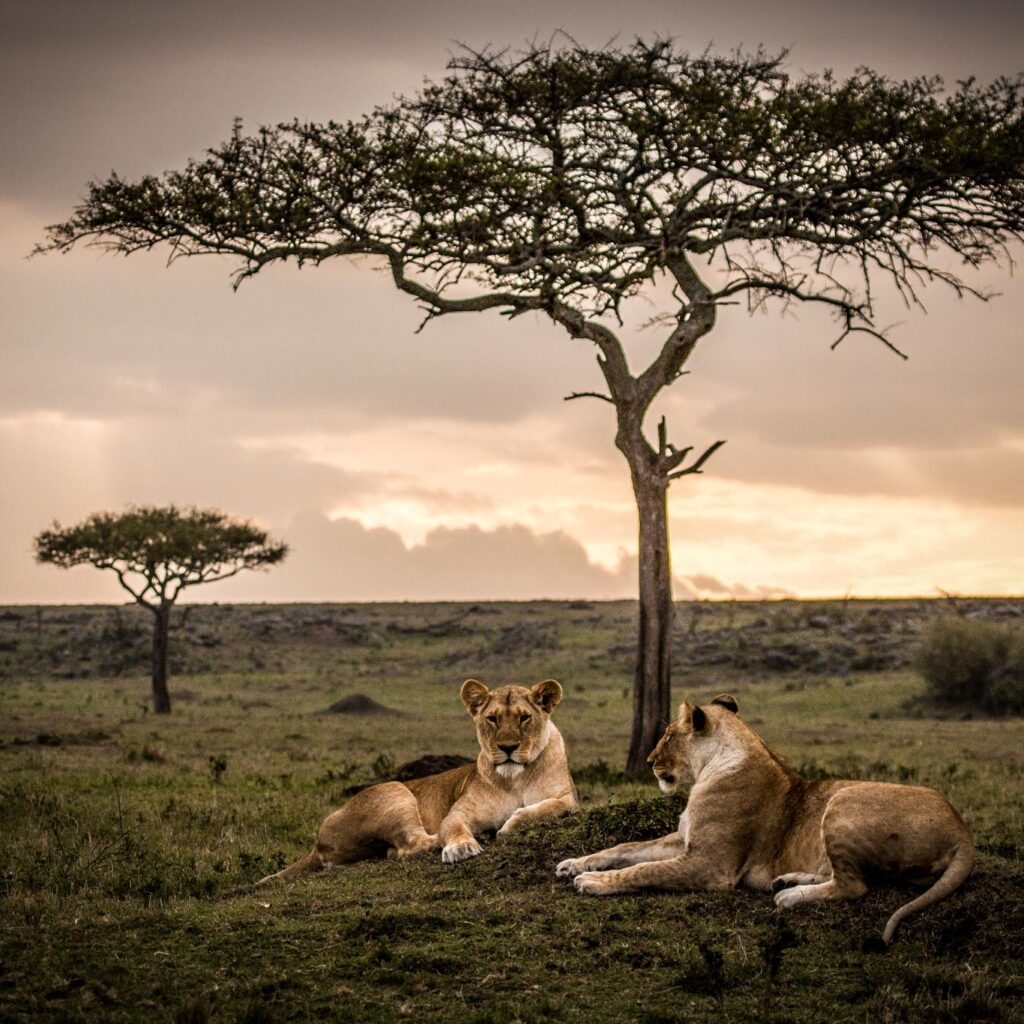
The Serengeti is a haven for over 2 million herbivores, the stars of its grand narrative. The Great Migration, a spectacle unrivaled on Earth, sees zebra stripes and wildebeest horns paint the horizon as they thunder across the plains, seeking water and fresh pastures. Predators like lions, cheetahs, and hyenas keep a watchful eye, their hunts unfolding amidst the tall grasses. From graceful giraffes and lumbering elephants to playful monkeys and exotic birds, the Serengeti boasts over 700 species, each playing a vital role in this ecological drama.
The best time to visit Serengeti National Park
The best time to visit Serengeti National Park depends on what you want to see and experience. Here's a breakdown of the different seasons: Dry season (June to October): This is the most popular time to visit, as the weather is dry and sunny, and the animals are easier to spot as they gather around waterholes. The Great Migration is in full swing from December to July, with millions of wildebeest and zebra making their way across the plains. However, this is also the busiest and most expensive time to visit. Green season (November to May): The rains transform the landscape into a lush paradise, and there are fewer crowds. Calving season takes place from January to February, and you can see newborn wildebeest and zebra frolicking in the grasslands.
More Than Just a Park
The Serengeti is a symbol of hope, a testament to conservation efforts that safeguard endangered species and fragile ecosystems. It's a place where research and education go hand-in-hand, ensuring the park's future for generations to come. It's an inspiration, urging us to reconnect with nature and appreciate the delicate balance of our planet.
Beyond the Safari Jeep
Exploring the Serengeti isn't limited to game drives. Hike through the kopjes, following ancient Maasai trails and discovering hidden rock pools. Take a hot air balloon ride at sunrise, watching the mist rise from the savanna as the day awakens. Visit a Maasai village, experiencing their rich culture and traditional way of life.